Et link til indstilling af din adgangskode er sendt til: For at få adgang til dine køb i fremtiden har du brug for en adgangskode.

nobeastsofierce

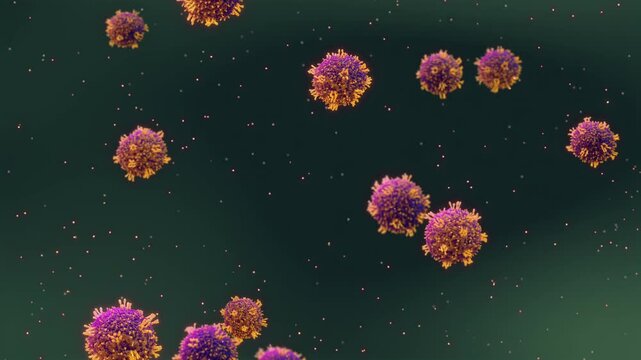
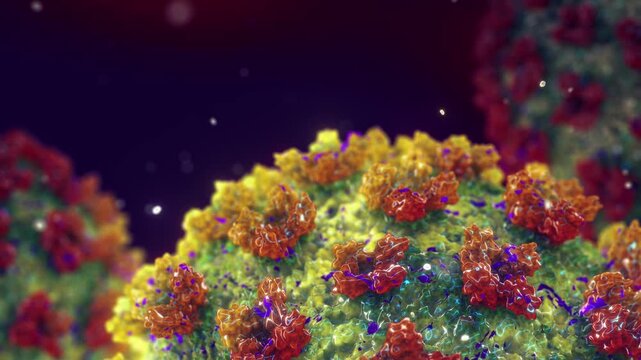
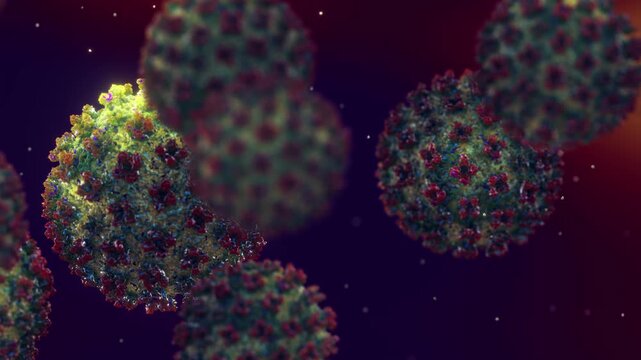
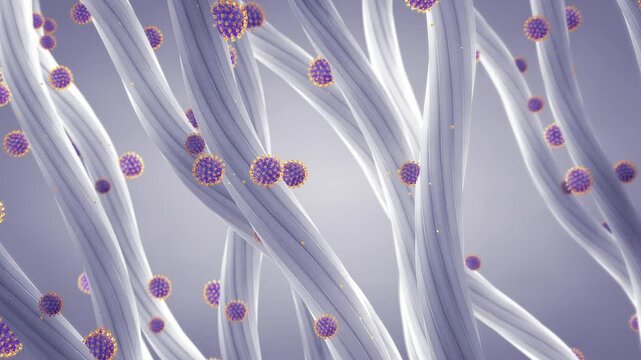
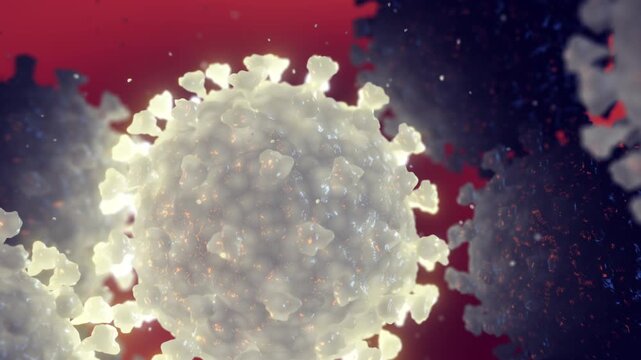
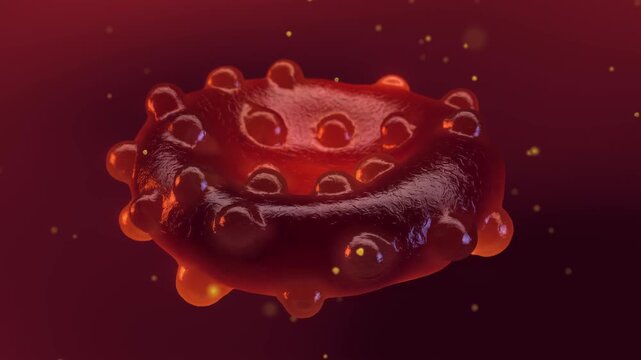
Hantaviruses in blood animation. Hantaviruses can cause hemorrhagic fever with renal syndrome HFRS. Enveloped RNA virus with surface glycoproteins.
00:20
Black hair strands losing melanin and turning white, animation. Hair follicle aging, pigment loss, and cellular transition
00:20
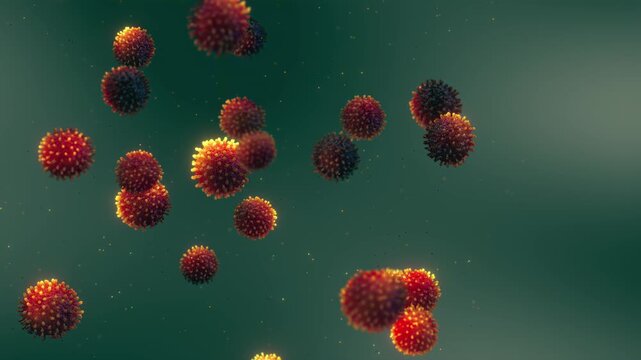
Hantaviruses animation. Infection with this RNA virus can cause hantavirus cardiopulmonary syndrome (HCPS). Deadly infectious disease, viral pathology
00:20
Colorectal polyps animation. Benign and precancerous growths on the intestinal lining. Concept of oncology, gastroenterology, and colorectal cancer screening
00:20
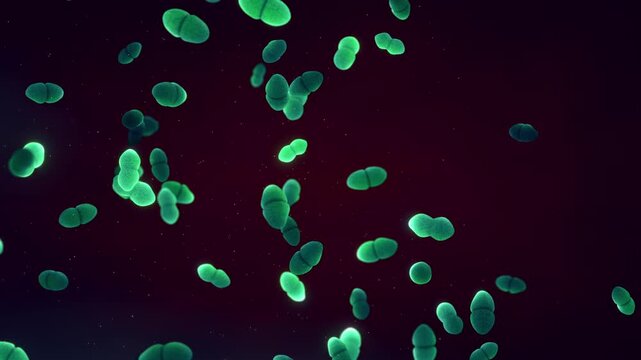
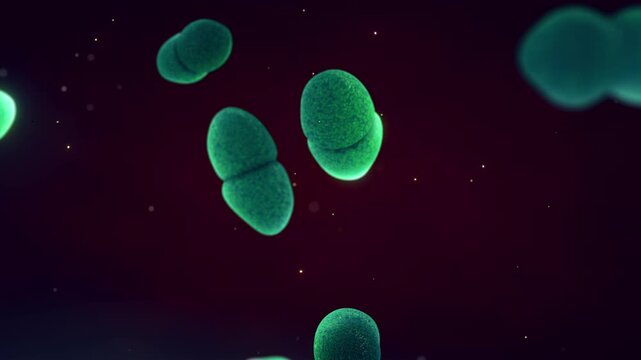
Enterococcus bacteria microbiology animation. Gram-positive cocci illustrating antibiotic resistance (VRE), gut microbiome, and nosocomial infection pathology
00:20
Free radicals attack cells causing oxidative stress and damaging cellular components like DNA, proteins, and lipids. Antioxidants neutralize free radicals and stop cellular damage
00:20
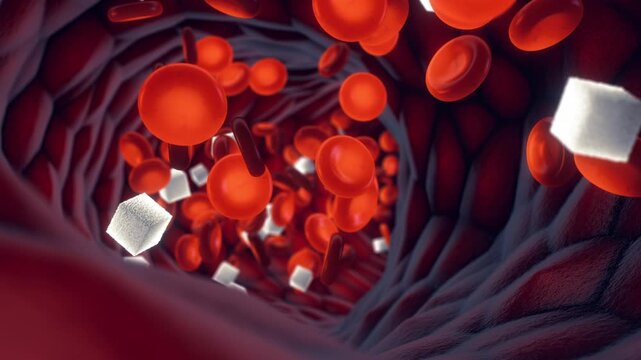
Diabetes is a metabolic disorder where the body cannot regulate blood glucose (sugar) levels, leading to hyperglycemia. Sugar cubes as part of the blood flow concept
00:20
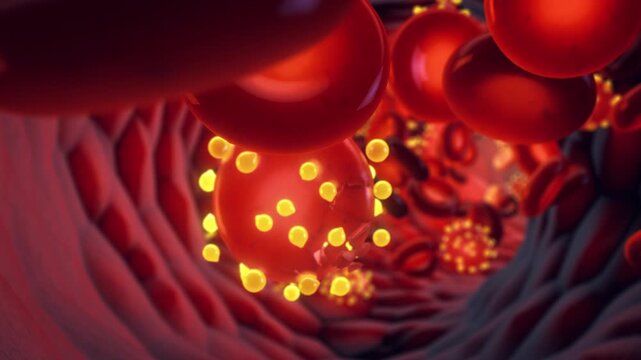
Measles viruses in the blood. Measles also known as morbilli and rubeola is a highly contagious, childhood viral infection. The virus infects the respiratory tract and then spreads around the body
00:20
Good cholesterol or High-density lipoprotein particles (HDL) in the bloodstream. PCSK9 inhibitors are a novel treatments for high cholesterol and work in combination with statins
00:20
Enterococcus bacteria can cause bacteremia, endocarditis, sepsis, and complicated urinary tract infections, especially within nosocomial environments and in the context of antibiotic resistance
00:20
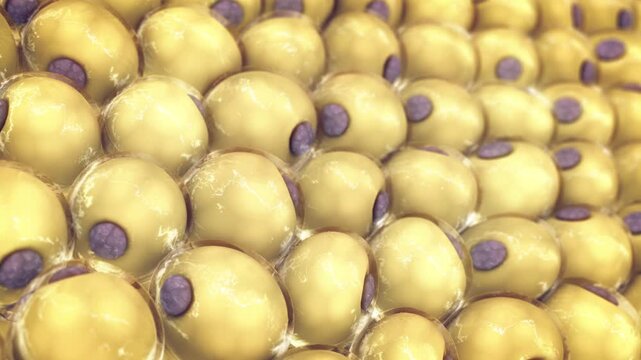
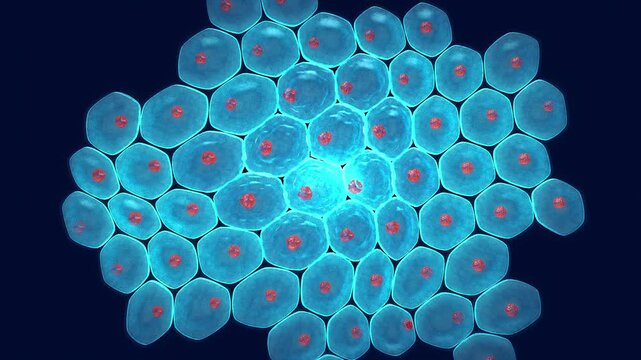
Adipocyte fat cells microscopic view. Obesity and weight loss pathology. Lipid accumulation and cellular hypertrophy, metabolic dysfunction and chronic inflammation.
00:20
Hepatitis B (HBV) viral infection causing liver inflammation and damage. While hepatitis vaccines are highly effective they don't eliminate the virus completely and require lifelong treatment
00:20
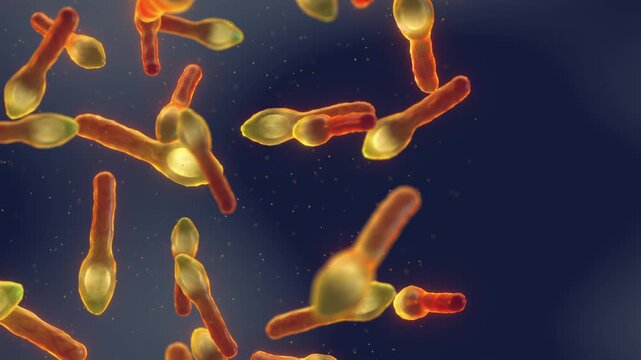
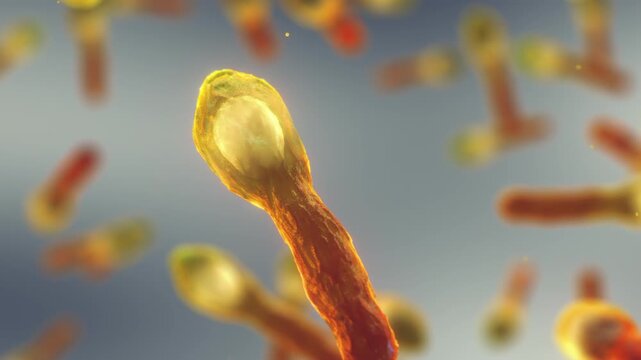
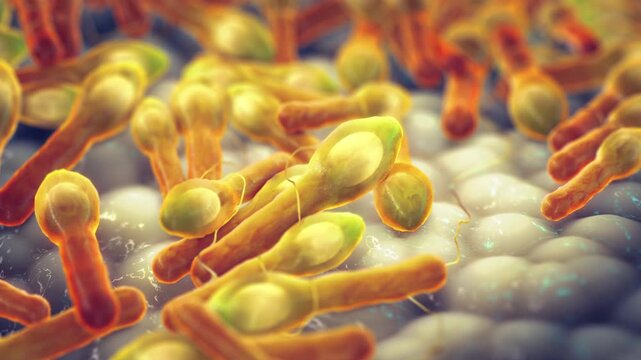
Clostridium botulinum is a rod-shaped bacterium, forming spores and producing deadly neurotoxin causing botulism. Food safety, microbiology, and disease education concept
00:20
Mesenchymal stem or stromal cells (MSC). Embryonic stem cells concept. Targeting cancer with engineered mesenchymal stem cells. MSC based immunotherapy and cancer treatment
00:20
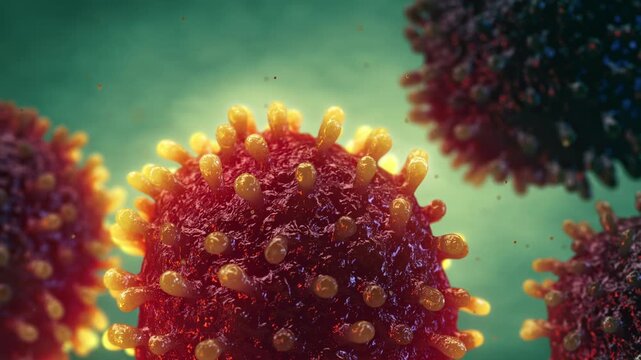
H5 Bird flu aka Avian Influenza viruses. Influenza A virus subtype H5N1 infecting human organism. The virus can infect humans who are in close contact with infected domestic animals
00:20
Deadly Clostridium botulinum bacteria generating the potent botulinum neurotoxin. Medical, research, and food safety concept
00:20
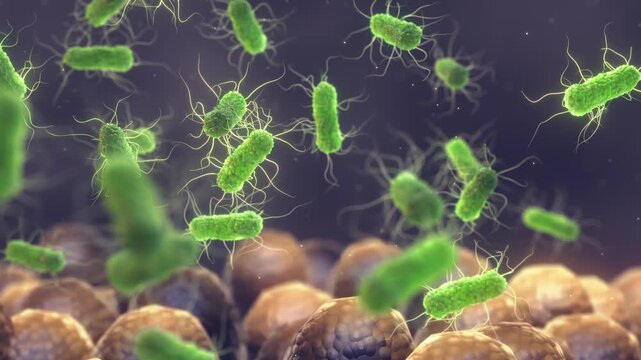
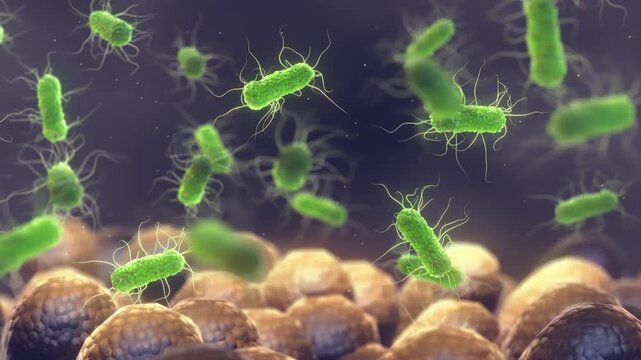
Escherichia coli (E. coli) bacteria. E. coli becoming a global threat after been long considered a harmless gut microbiota resident bacteria. Antimicrobial (AMR) resistant strains
00:20
Escherichia coli (E. coli) bacteria. E. coli strains becoming a global threat after been long considered a natural gut flora resident bacteria. Antimicrobial resistant (AMR) bacteria
00:20
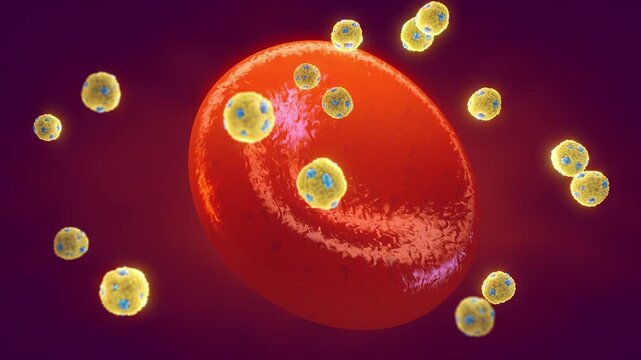
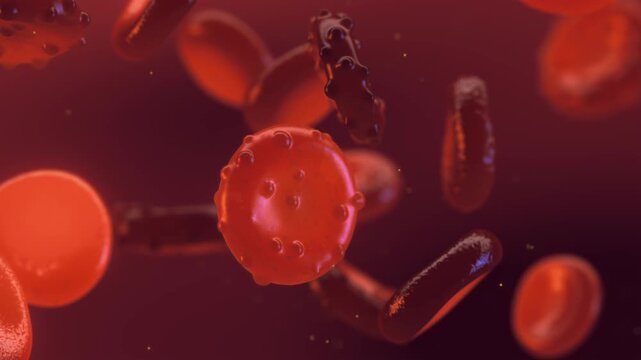
Malaria parasite destroying blood cells. Malaria is a life-threatening infectious disease caused by Plasmodium parasites. Malaria prevention through vaccines
00:20
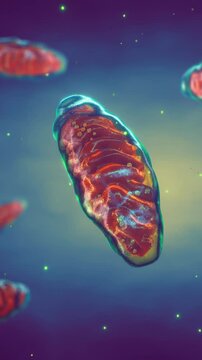
Mitochondria generate the energy to power all of our biological processes. They are the power plants of the cell, vertical video.
00:20
Alzheimer's disease is the most common cause of dementia. It's a neurodegenerative brain disease caused by the progressive loss of neurons. Amyloid plaques forming between neurons, vertical video.
00:20
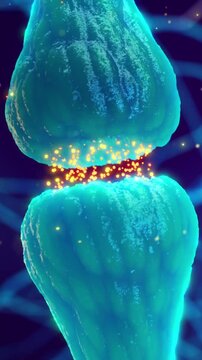
Synaptic transmission between nerve cells (neurons), vertical video. The synapse is the gap between two neurons and is also called neuronal junction
00:20
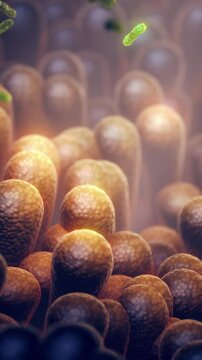
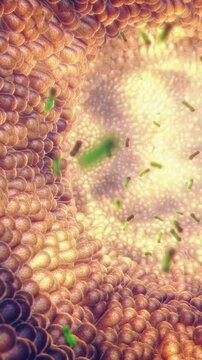
Gut microbiome bacteria is the ecosystem of microbes that lives in human intestines. Probiotics are beneficial bacteria used to help the growth of healthy gut flora, vertical video
00:20
Luxury Skincare animation. Golden shower gel droplets falling in slow motion for beauty and wellness branding.
00:20
Erythrocyte Motion. Scientific visualization of red blood cells transporting oxygen through the body's tissues, isolated on white
00:20
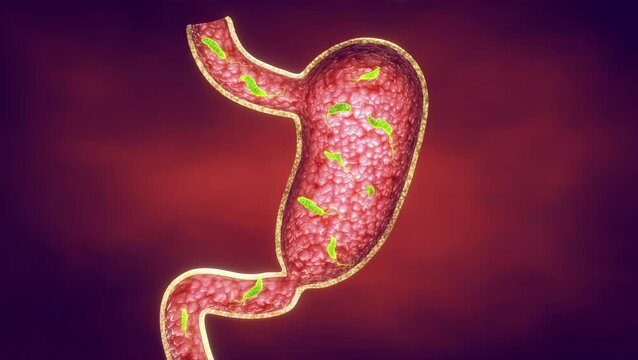
Peptic ulcers are usually caused by an infection of Helicobacter pylori (H. pylori) bacteria. They are open sores on the inner lining of the stomach and the upper part of the small intestine
00:20
Genetic research and biotechnology. Double helix DNA molecules, vertical video.
00:20
Atoms are fundamental components of matter and they consist of a nucleus and orbiting electrons, vertical video
00:20
Gut microbiome vertical video. Probiotics are beneficial bacteria used to help the growth of healthy gut flora. Intestinal bacteria help control intestinal digestion and the immune system
00:24
Diabetes is a metabolic disorder caused by high levels of blood sugar, vertical video. Glucose and insulin molecules in a blood vessel.
00:20
Synaptic transmission between neurons. It is the process by which neurons communicate with each other, vertical video
00:20
Botox is produced by the deadly Clostridium botulinum bacterium. This deadly neurotoxin is widely used in medicine and cosmetics.
00:20
Malaria is a parasitic disease caused by genus Plasmodium. Merozoites, the invasive blood stage of Plasmodium Falciparum parasite. Malaria research and development
00:20
Malaria parasite infecting a blood cell. Plasmodium Merozoites invading and destroying red blood cells. Malaria prevention through vaccines
00:20
Hepatitis B (HBV) virus infection causing liver inflammation and damage. Hepatitis B is classified as grade 1 carcinogen and promotes liver cancer by interacting with environmental carcinogens
00:20
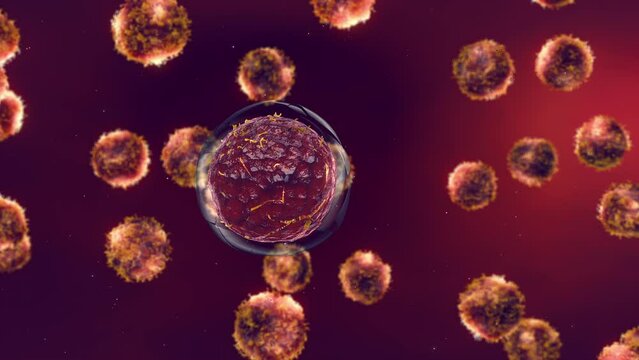
Normal cell mutating into malignant cancer cell (Carcinogenesis). Cancer metastasis is the spread of malignant cells to distant organs and tissues
00:20
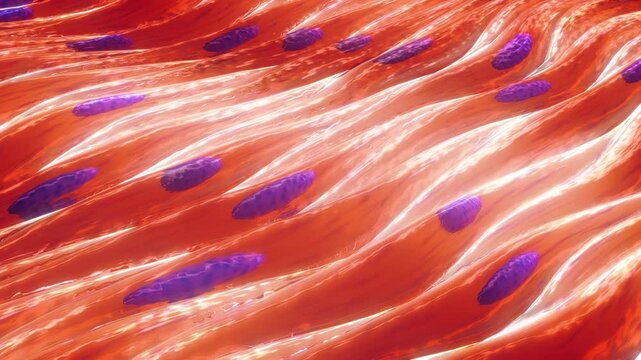
Muscle cells tissue. Myocytes form the bulk of the muscle tissue.
00:20
Artificial intelligence and neural network vertical video. Brain connectome and neural connections mapping. Digital brain concept
00:20
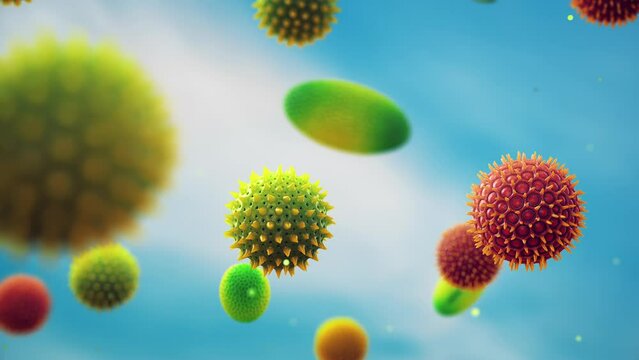
Hay fever is the most common name for pollen allergy and is usually caused by grass pollens. Pollen can cause significant irritation and inflammation to those allergic to it.
00:20
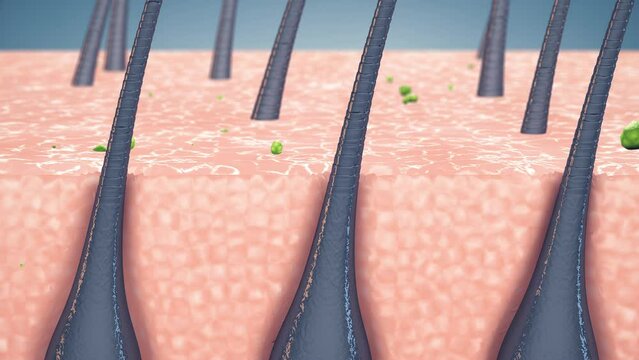
Dandruff prevention and antifungal treatment. Human scalp hair roots and fungal infection
00:20
Multicolored light refracting on glass panels animation. Abstract motion background
00:20
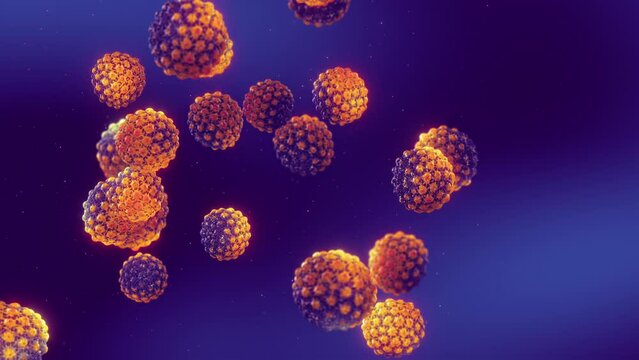
Human papillomavirus (HPV) is a common sexually transmitted infection. The virus can affect the skin, genitals or the throat. HPV screening and treatment can prevent cervical cancer
00:20
Pollen allergy is also known as hay fever or allergic rhinitis. Airborne pollen particles are the most common cause of seasonal allergies.
00:20
Body and skin care anti-aging. Shower gel droplets animation.
00:20
Melanoma is the most dangerous type of skin cancer.  Increased levels of ultraviolet (UV) exposure is the main reason for melanoma. The cells can also metastasize to other parts of the body
00:20
Mitochondria have critical role in energy production. They convert organic compounds into ATP and power all of our biological processes.
00:20